
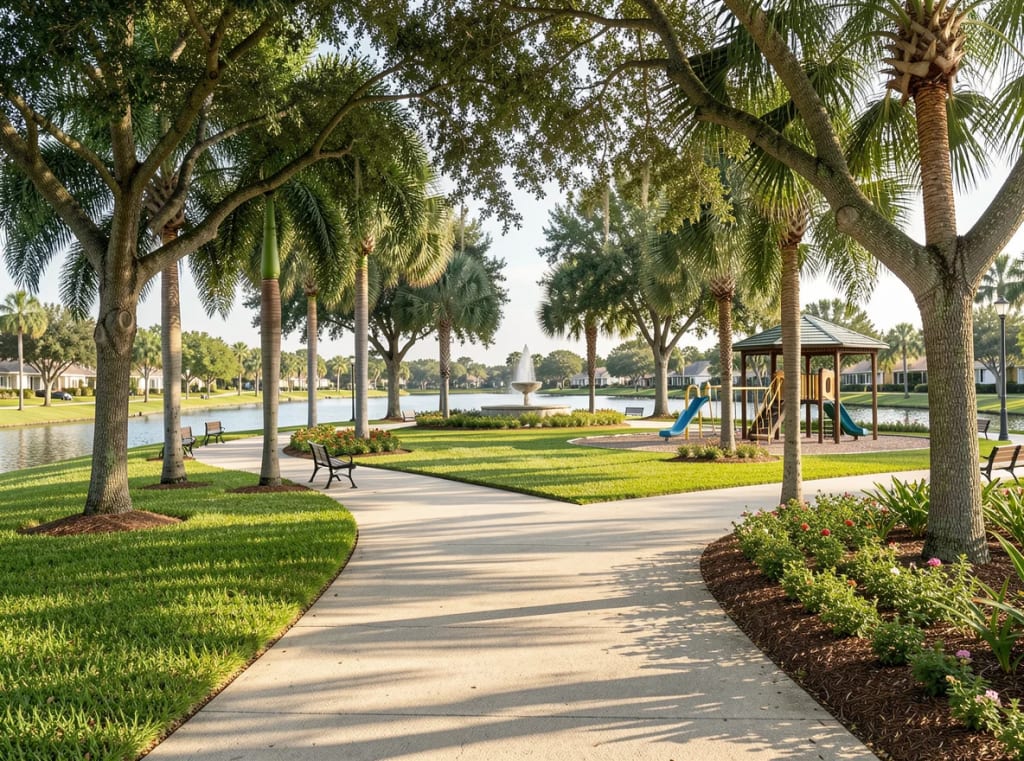
Fort Lauderdale or Coral Springs? 5 Daily-Life Tradeoffs Buyers Should Weigh
Fort Lauderdale or Coral Springs? Start With the Way You Actually Live
Choosing between Fort Lauderdale and Coral Springs is not just about square footage, price per foot, or whether one ZIP code looks stronger on paper. It is really a question of daily rhythm. One city leans coastal, energetic, and more connected to water, nightlife, and urban convenience. The other often feels more residential, family-oriented, and intentionally paced, with a reputation for organized neighborhoods, parks, and routines that can feel easier to manage week after week.
For buyers relocating within South Florida or arriving from out of state, that difference matters more than many expect. A beautiful home can lose its shine fast if the commute feels draining, errands become inconvenient, or your preferred weekends are always a drive away. The smartest move is to compare not just homes, but the tradeoffs that shape ordinary Tuesdays as much as memorable Saturdays.
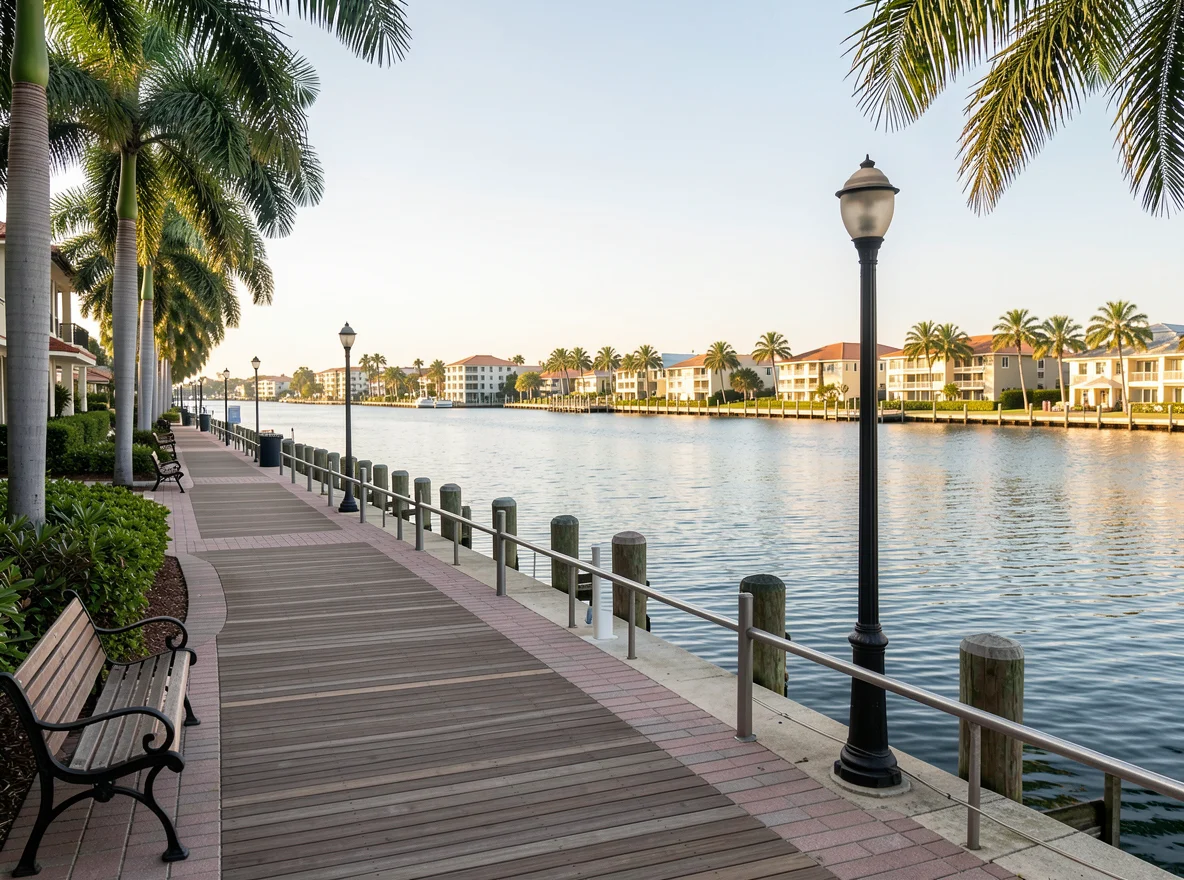
Tradeoff #1: Coastal access versus suburban ease. Fort Lauderdale offers the kind of setting many buyers picture when they imagine South Florida living: boating culture, beaches, canal-lined neighborhoods, and quick access to a more active social scene. If your ideal evening includes waterfront dining, spontaneous outings, or a walk near the ocean after work, the city delivers a lifestyle that feels distinctly tropical and connected. That convenience to the coast can be a daily pleasure, not just a weekend bonus.
Coral Springs answers with a different kind of comfort. Many buyers appreciate its master-planned feel, broader residential areas, and neighborhoods that often prioritize space, predictability, and community amenities. You may trade immediate beach access for quieter streets, more consistent suburban routines, and a setting that can feel easier for households who value calm over constant activity. Neither choice is better universally; it depends whether your version of “easy living” includes salt air or simpler logistics.
Tradeoff #2: Commute patterns and regional access. Fort Lauderdale tends to work well for buyers who need proximity to employment centers, the airport, Brightline, or major east-side business corridors. For professionals who travel often or want faster access to downtown areas across Broward and even into Miami-Dade, that centrality can be a major advantage. The flip side is more traffic intensity, more seasonal congestion, and a pace that can feel demanding if your life is centered around school pickups, sports schedules, and grocery runs instead of urban mobility.
Schools, Recreation, and the Shape of Everyday Family Life
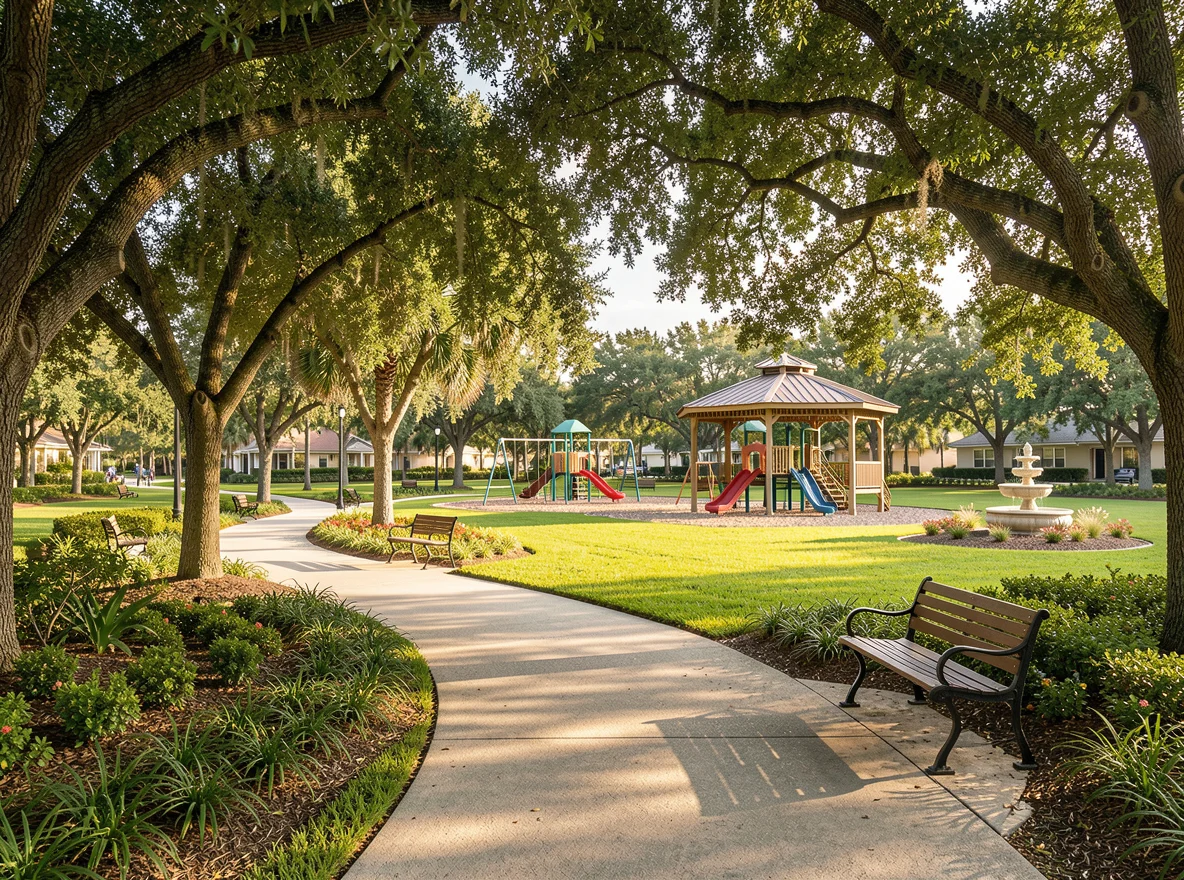
Coral Springs often rises to the top for buyers who are thinking carefully about schools, organized youth activities, and the cadence of family life. It is widely associated with parks, recreation programming, and neighborhoods where daily routines can feel more contained. That does not automatically make it the better choice for every family, but it often appeals to buyers who want a strong sense of community infrastructure close to home. Sports leagues, green space, and a generally residential atmosphere can carry real weight when children’s schedules shape the week.
Fort Lauderdale still offers family-friendly pockets, and many buyers are pleasantly surprised by the range of neighborhood personalities within the city. Some areas feel more established and residential, while others are closer to the action. The tradeoff is that “family fit” may require more block-by-block research. In return, households gain access to museums, waterfront recreation, beach days, and a broader mix of cultural and entertainment options. For some families, that variety is worth more than a quieter suburban pattern.
Tradeoff #3: Housing style and what your money buys. Fort Lauderdale’s housing stock can be incredibly diverse: condos with water views, townhomes near urban corridors, renovated mid-century properties, luxury residences on canals, and pockets of older charm. Buyers may find opportunities tied to lifestyle and location, but price points often reflect that coastal and central appeal. Insurance considerations, flood zones in some areas, and maintenance expectations also deserve serious attention during the search.
In Coral Springs, buyers frequently focus on single-family homes, gated communities, and neighborhoods where lot sizes and interior square footage can feel more aligned with long-term household needs. If your wish list includes extra bedrooms, a home office, a pool, or space for multigenerational living, the value conversation may look different there. This is where personalized guidance matters: comparing two homes across these cities is rarely apples to apples, because the surrounding lifestyle package is part of the price.
Social Energy, Real Estate Goals, and Long-Term Fit
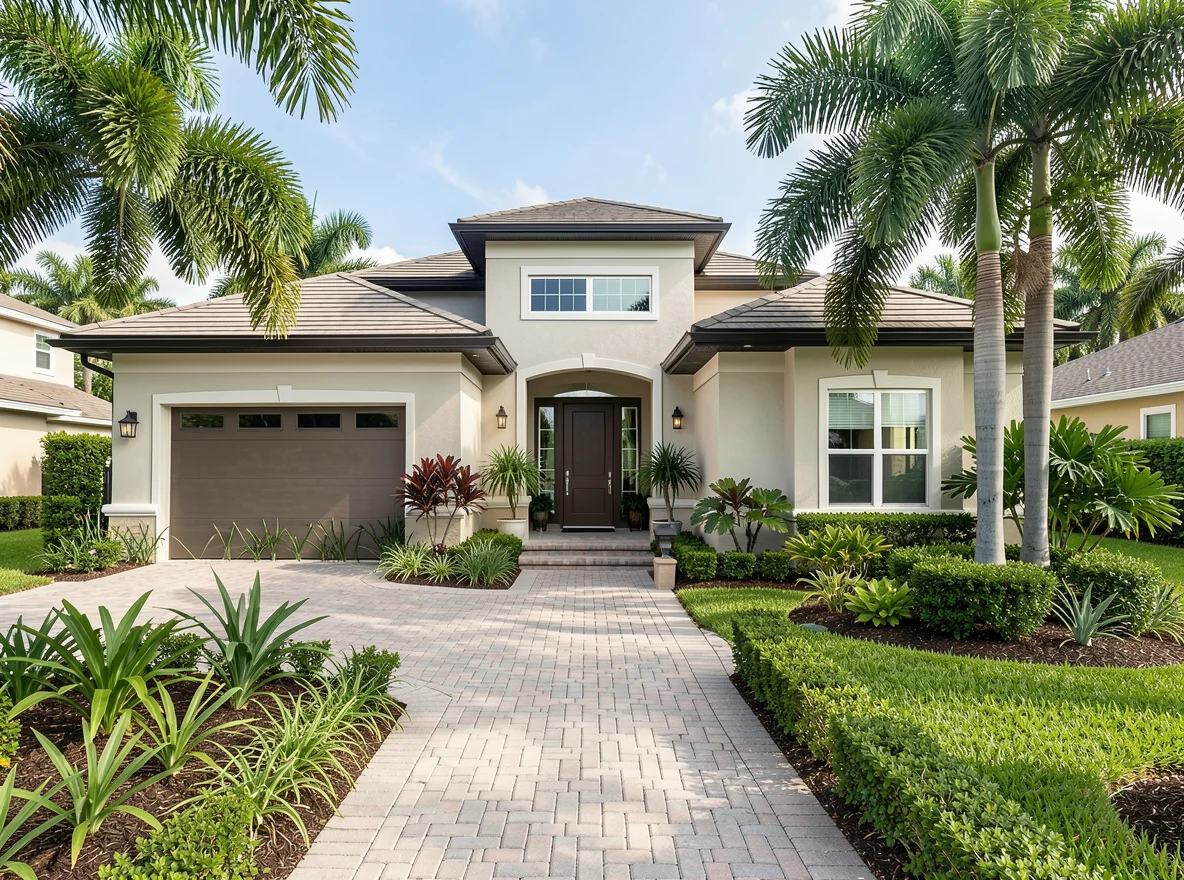
Tradeoff #4: Livelier atmosphere versus steadier residential character. Fort Lauderdale tends to feel more dynamic. There is more visible tourism, more nightlife, and a stronger sense of movement depending on where you buy. That can be exciting for buyers who want energy nearby, especially empty nesters, second-home shoppers, younger professionals, or investors considering demand drivers beyond pure owner occupancy. It can also mean more noise, more visitors, and a less tucked-away feel in certain locations.
Coral Springs is often the answer for buyers who want consistency. The city’s appeal is not usually about constant buzz; it is about dependable livability. Neighbors may stay longer, routines may feel more settled, and the overall environment can support a less hectic pace. If your dream home is tied to a calm evening patio, nearby parks, and an easier sense of day-to-day order, that distinction matters just as much as any flashy feature list.
Tradeoff #5: Personal use versus investment flexibility. Fort Lauderdale often attracts buyers thinking about mixed goals: enjoying the property now while preserving strong future appeal tied to location, luxury demand, or waterfront desirability. Coral Springs may be especially compelling for owner-occupants planning to build a life around schools, community involvement, and longer-term residential stability. Of course, both markets can present opportunities for investors and primary residents alike, but your strategy should guide the search from the beginning.
This is exactly where a Florida-focused brokerage can make the biggest difference. Dominion Realty Group, LLC helps buyers look beyond headlines and into the practical realities of South Florida living, whether the goal is a luxury residence, a new construction opportunity, a long-term family home, or an investment-minded purchase. The best decision usually comes from matching the property to your habits, priorities, and future plans—not simply choosing the city with the louder reputation.
In the end, Fort Lauderdale may win if you crave coastal access, regional connectivity, and a more vibrant lifestyle close to the water. Coral Springs may be the better fit if you prioritize residential calm, organized community amenities, and a home base designed around everyday ease. The right answer is the one that supports how you want to wake up, move through your week, and feel when you pull into the driveway at the end of the day.